The Inclusion Support Program aims to build the capacity and capability of educators to address participation barriers for all children through implementing quality inclusive practices.
Inclusion Support QLD has a network of Inclusion Professionals who provide tailored support to eligible early childhood education and care (ECEC) services across Queensland, to create solutions that address barriers to inclusion. Our team of Inclusion Professionals are based at inclusion hubs located across regional and metro areas of Queensland: Cairns, Townsville, Mackay, Rockhampton, Hervey Bay, Sunshine Coast, Brisbane North, Brisbane South, Logan/Redlands, Toowoomba and Gold Coast.
We provide free tailored inclusion support to eligible early childhood education and care services including:
While there is no national definition of ‘additional needs’, there are children who may need or require special considerations or adaptions to participate fully in ECEC services (although not all children with additional needs will require support).
The Inclusion Support Program supports educators to address access and participation barriers and to support the inclusion of children with additional needs, with their typically developing peers.
Additional needs may arise for children who:
Meeting the needs and requirements of:
Extract from: Department of Education, Inclusion Support Program Guidelines, Version 2.6, October 2025.
All children have the right to be included in children’s services. We know from research that all children benefit from belonging to, and participating in, quality inclusive child care. An inclusive children’s service provides a unique opportunity for children to play, develop and learn together with children of their own age. These relationships are the foundations for learning and provide a powerful way of belonging to a group and developing a sense of self.

Educators are directly supported by our team of Inclusion Professionals, who are based at Inclusion Hubs across QLD. Inclusion Professionals use a strengths-based approach, including coaching and practical inclusion advice when supporting each service. Support is provided through a combination of phone appointments, online appointments and service visits.
Inclusion Professionals (IPs) support educators to develop a Strategic Inclusion Plan that takes into consideration the whole room your child is part of. The plan is not focused on your child alone, or any one child specifically. Instead, the plan identifies what is needed to support educators to include all children
Support is provided when requested by the service. This could include assistance to:
Facilitating access to funding support for services is not the primary role of an Inclusion Professional. A diagnosis of a disability alone does not mean that funding for an additional educator is the best type of support for educators and services.
Through the development of a Strategic Inclusion Plan, educators might identify inclusion barriers that cannot be resolved through accessing support from the Inclusion Agency or Specialist Equipment Library (SEL) alone.
In these circumstances, the Inclusion Support Program (ISP) can provide further support to services through the Inclusion Development Fund Manager (IDFM).
There are three streams of Inclusion Development Funds (IDF) available to support educators in Centre Based Day Care Services. Each have different eligibility criteria, application processes and approved funding purposes. These streams of IDF funding include:
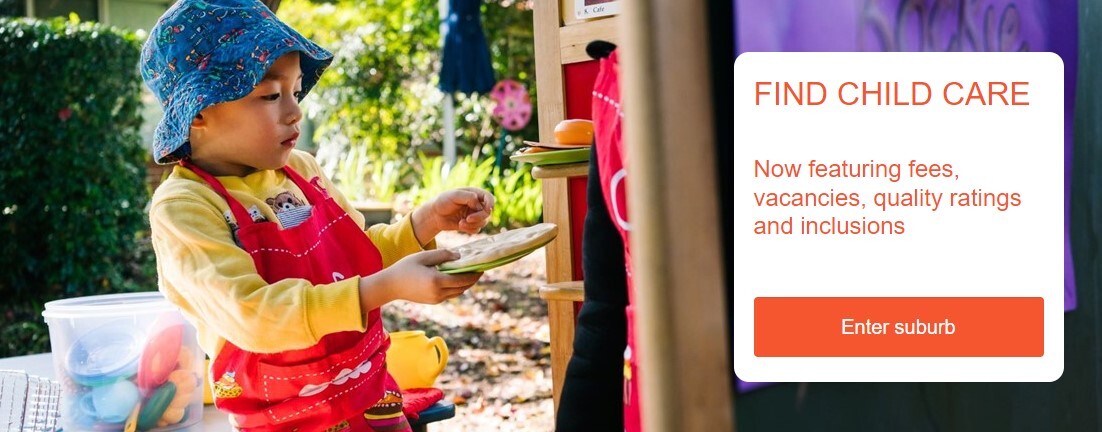
The Starting Blocks website aims to be a first step into early childhood and care. This website from the Australian Government provides families with information about children's education and care services in their local area, including vacancies, fees, quality ratings and inclusions, as well as other resources, tips and topics especially for families.
The Advocating for your child: the early years toolkit is specifically for parents and caregivers of young children with a disability. This toolkit explains your child's rights in ECEC services and how you can advocate for your child in ECEC.

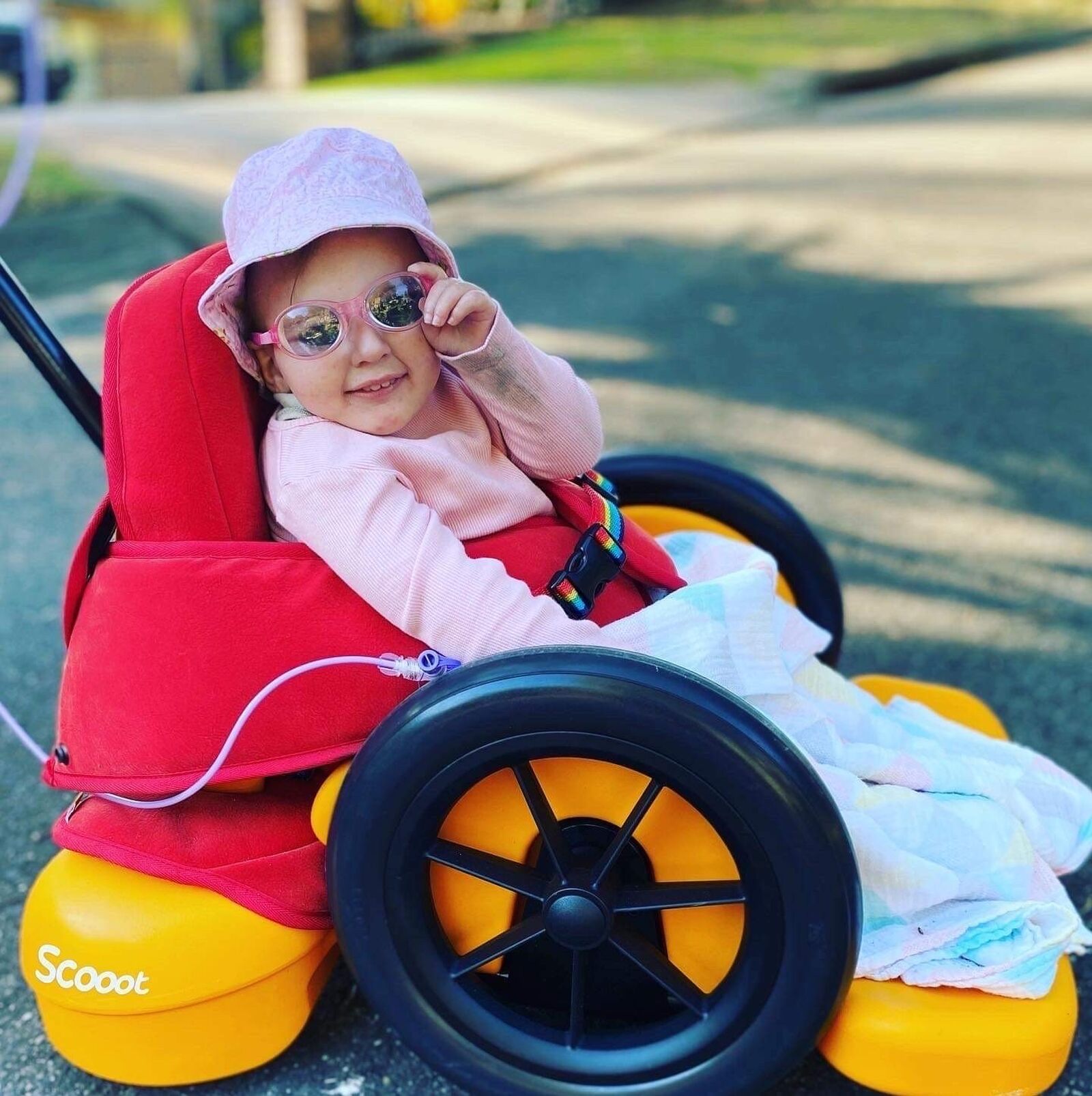
Inclusion Support QLD includes the Specialist Equipment Library (SEL). The SEL loans a range of specialist equipment, free of charge, to ECEC services to enable children to access and participate in all aspects of an ECEC program.
What Inclusion Professionals do:
What Inclusion Professionals don’t do:
A common goal between educators and families is quality outcomes for children, collaborative partnerships between early childhood educator's and families are fundamental to achieving this.
In collaborative partnerships, families and educators:
(ACECQA, National Quality Standard Information sheet - Quality area 6 - Building partnerships with families. October 2016)
There are many ways you can you assist your early childhood education and care service to support the inclusion of your child. Participating in ongoing conversations with educators about your child helps to create collaborative partnerships. Information that is helpful to share with educators includes but is not limited to:
If provided to you by your child’s service, a signed Inclusion Support QLD Permission to Share Personal Information form gives permission for educators to talk with an Inclusion Professional about their needs to include your child.
Inclusion Support QLD recognises each service’s ongoing commitment to inclusion by providing them with an “Our service values inclusion” acknowledgement when they have an active Strategic Inclusion Plan (SIP).
A Strategic Inclusion Plan (SIP) is a self-guided inclusion assessment and planning tool for services, which includes strategies for improving and embedding inclusive practice, in line with the National Quality Standard.
When you see one of the acknowledgements, as shown above, displayed at the service your child attends, it is an indication that the educators are working with us and have engaged in planning for inclusion.
Each year the service maintains an active SIP, their Inclusion Professional will provide them with a star which shows that they continue to be a service that values inclusion.

There are two consent forms that families may be asked to complete. Each of them has a different purpose.
Inclusion Support QLD Consent – Permission to Share Personal Information
This form gives permission for educators to discuss and share information about your child with an Inclusion Professional (IP).
Department of Education Consent – Permission to share personal information for the purposes of the Inclusion Support Program
This form gives permission for information about a child to be linked to a service’s application to access Inclusion Development Funding on the Australian Government Department of Education Inclusion Support Portal.